Winterize your home before the first freeze: a checklist for pipes, gutters, heating and safety alarms
A few hours of work before temperatures drop can head off burst pipes, ice dams, heating fires and carbon monoxide poisoning. Here is what safety agencies recommend, in order.
The first hard freeze is the deadline for most winter home prep. Once temperatures drop, water left in outdoor lines can freeze and split pipes, clogged gutters can feed ice dams, and furnaces, space heaters and generators come out of storage. FEMA notes that home heating is the second leading cause of home fires and that winter is when most home fires happen. This checklist draws on guidance from FEMA, the American Red Cross, the National Fire Protection Association and the Consumer Product Safety Commission.
1. Protect your pipes
Water expands as it freezes, and the pressure can break metal or plastic pipes. The Red Cross says the pipes that freeze most often are those exposed to severe cold, such as outdoor hose bibs and sprinkler lines, those in unheated areas like basements, crawl spaces, attics and garages, and those along poorly insulated exterior walls. Its frozen pipe guidance recommends:
- Removing, draining and storing outdoor hoses, closing the inside valves that feed outdoor faucets, and leaving the outside faucets open so leftover water can drain.
- Draining swimming pool and sprinkler supply lines according to the manufacturer's or installer's directions.
- Insulating pipes in unheated spaces with pipe sleeves or UL-listed heat tape, and adding insulation to attics, basements and crawl spaces.
- During cold snaps, keeping garage doors closed, opening kitchen and bathroom cabinet doors, and letting cold water drip from faucets served by exposed pipes.
- Keeping the thermostat at the same temperature day and night during very cold weather, and leaving the heat at no lower than 55 degrees if you go away.
FEMA's winterizing tip sheet adds a step many people skip: learn how to shut off your main water valve before an emergency. If a pipe does freeze, the Red Cross says to thaw it with a hair dryer, an electric heating pad or towels soaked in hot water, never with a blowtorch or other open flame, and to call a licensed plumber if you cannot find or reach the frozen section.
2. Clear gutters and check the roof
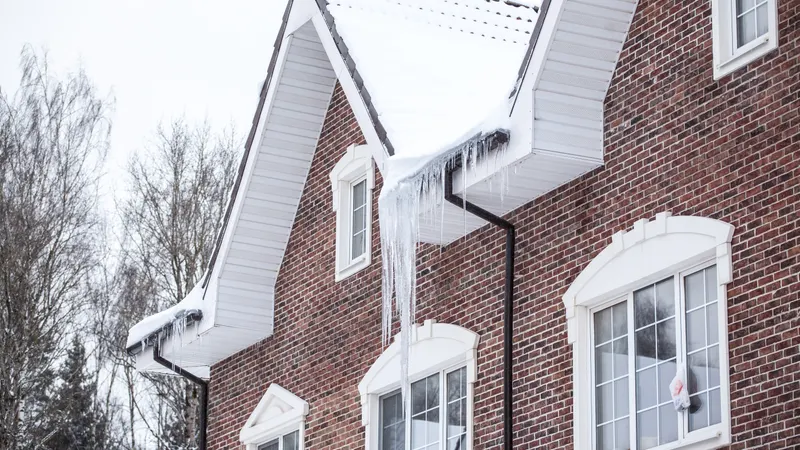
FEMA says clogged gutters can lead to sagging or detached gutters, mold, ice dams and roof leaks. Its checklist calls for clearing leaves and debris so melting snow can drain, making sure downspouts send water away from the foundation, looking for broken or missing shingles and damaged flashing, and trimming branches that hang over the roof. FEMA also notes that a properly insulated attic helps guard against ice dams, which form when heat escaping into the attic melts roof snow that refreezes at the edge.
3. Service your heating system
- Book an inspection. The NFPA's heating safety tips say to have heating equipment and chimneys cleaned and inspected every year by a qualified professional. ENERGY STAR suggests scheduling the heating check-up in the fall, before contractors get busy.
- Check the filter. FEMA says to replace furnace and heat pump filters once a month or as needed, and to keep vents clean and unblocked.
- Give heat room. Keep anything that can burn at least 3 feet from furnaces, fireplaces, wood stoves and space heaters, the NFPA says.
- Use space heaters carefully. Turn portable heaters off when you leave the room or go to bed, and never use an oven to heat your home.
- Mind the fireplace. Use a sturdy screen, let ashes cool before putting them in a metal container, and keep that container a safe distance from the house.
4. Test smoke and carbon monoxide alarms
The NFPA's smoke alarm tips call for alarms in every bedroom, outside each sleeping area and on every level of the home, including the basement. Test them at least once a month and replace all smoke alarms when they are 10 years old.
Carbon monoxide is a colorless, odorless gas, and FEMA says CO incidents are more common in colder months, likely because of furnaces, portable heaters and generators. The CPSC's carbon monoxide guidance says to install battery-operated CO alarms, or alarms with battery backup, on every level of the home and outside sleeping areas, and to check the batteries regularly. Both the CPSC and NFPA say interconnected alarms, which all sound when one does, are best.
5. Seal drafts
FEMA recommends caulking and weather-stripping doors and windowsills, sealing heavy-duty clear plastic film to the inside of window frames, and hanging insulating drapes on drafty windows. It also suggests removing window air conditioners for the winter, or covering them, and switching ceiling fans to run clockwise to push warm air back down.
6. Plan for outages, and use generators safely
Winter storms can cut power for days. Ready.gov's winter weather guidance says to gather supplies in case you need to stay home for several days without power, including extra batteries for radios and flashlights and any medications you need.
If you use a portable generator, the CPSC says never to run it inside a home or garage, even with doors and windows open, and to use it outside only, at least 20 feet from the home with the exhaust facing away. Ready.gov adds that you should keep the generator dry, connect appliances with heavy-duty extension cords and let it cool before refueling. Never heat your home with a gas stove or oven.
If costs are a problem
Ready.gov notes that the Low Income Home Energy Assistance Program can help households that cannot afford heating costs, weatherization or energy-related home repairs. Check your state's program for eligibility and timing, and for gas, electrical or structural work, hire a licensed professional.
Sources
- American Red Cross: Frozen Pipes
- FEMA: How Can Winterizing Your Home Help You Prepare?
- NFPA: Heating Safety tip sheet
- NFPA: Smoke Alarms at Home tip sheet
- CPSC: Carbon Monoxide Information Center
- Ready.gov: Winter Weather
Article Was Generated By AI. It was researched against the official sources listed above. This article is general information, not financial, legal or medical advice. Spotted an error? Email info@thechopshop.click.